
The Importance of Regular Water Heater Inspections for Homeowners

A water heater is one of the most essential appliances in any home, providing comfort and convenience that we often take for granted. Yet, many homeowners overlook the need for regular water heater inspection, which can lead to costly repairs to your home, safety hazards, and inefficient performance. Routine inspections, which are a part of full home inspections, can save money, extend the life of your unit, and ensure your home stays safe.
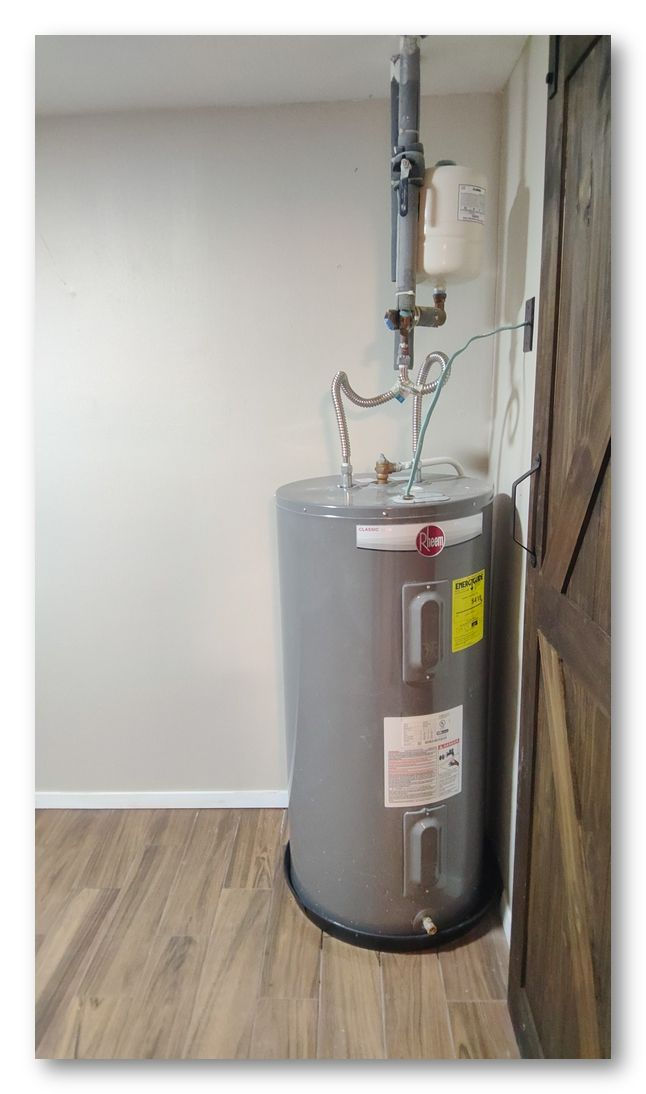
Why Water Heater Inspection Matters
Water heaters work hard to supply hot water for showers, dishwashing, laundry, and more. Over time, sediment builds up inside the tank, parts wear out, and leaks can develop. A thorough water heater inspection helps identify these issues early before they cause major damage or disrupt your daily routine.
Key reasons to prioritize inspections include:
Preventing leaks and water damage: Small leaks can cause mold growth and structural damage if left unchecked.

A rusted and leaking water heater. Improving energy efficiency: Sediment buildup forces the heater to work harder, increasing energy bills.
Extending appliance lifespan: Regular maintenance reduces wear and tear, delaying the need for replacement.
Ensuring safety: Faulty water heaters can pose risks such as gas leaks or pressure buildup.

Gas piping from a water heater that shows to be leaking when tested.
What Happens During a Water Heater Inspection
A professional home inspection for your water heater typically involves:
Checking the tank, surrounding pipes, and pan for corrosion, leaks, and proper installation
A visual check of the pressure relief valve to ensure proper installation and connections
Examining the thermostat and heating elements for proper operation
Verifying gas connections or electrical wiring are secure and safe
Decoding of the serial number, if the date isn't listed, to determine the date of manufacture.
These steps help catch problems that are not obvious to the untrained eye but can lead to expensive repairs or safety hazards.
When to Schedule Your Inspection
Experts recommend scheduling a water heater inspection at least once a year. If your unit is older than 10 years, more frequent checks can help avoid unexpected failures. Also, consider an inspection if you notice:
Water temperature fluctuations
Strange noises like popping or rumbling
Discolored or rusty water
Reduced hot water supply
A water heater inspection is always a part of the home inspection process and is a good way to avoid surprises after moving in and to catch unknown issues before they become a major problem.
Taking Action After the Inspection
After a water heater inspection, you may receive recommendations such as flushing the tank, replacing worn parts, or upgrading to a more efficient model. Acting on these suggestions promptly can prevent costly damage and improve your home's comfort.
If you are buying a home, a thorough home inspection including the water heater can reveal hidden issues and give you negotiating power with the seller.


Comments